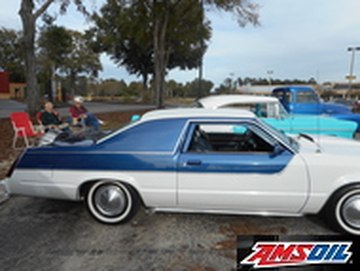
Engine Lubrication and Maintenance for the 1980 Mercury ZEPHYR 2.3L
Maintaining a vehicle from the early 1980s requires a shift in perspective compared to modern automotive care. For owners of a 1980 Mercury ZEPHYR equipped with the 2.3L engine, routine service is not just about following a schedule; it is about monitoring the physical condition of aging components and ensuring that lubrication remains effective despite the passage of time.
Monitoring Fluid Integrity and Potential Leaks
One of the most practical aspects of maintaining an older vehicle is performing regular visual inspections for fluid integrity. Over decades, various seals and gaskets may undergo changes in their physical properties. When inspecting the engine area of a 1980 Mercury ZEPHYR, it is useful to look for signs of seepage or active leakage around sealing surfaces.
If you notice dark staining or wetness on the underside of engine components, this can be an indicator that a seal or gasket may no longer be providing a perfect barrier. Rather than assuming a specific part has failed, these observations should be treated as prompts for closer inspection. Similarly, checking the area around the oil drain plug and the filter mounting surface can help ensure that recent service was completed securely and that no slow leaks are developing.
It is also beneficial to monitor the appearance of the engine oil itself during routine checks. While oil naturally darkens over time due to use, extreme discoloration or a significant change in texture may warrant further investigation into the engine's operating condition. Consistent monitoring allows for addressing minor issues before they escalate into more significant mechanical concerns.
Managing Aging Engine Components
As vehicles age, certain peripheral components require more frequent attention than they might have when new. For a 1980 Mercury ZEPHYR, this includes inspecting any accessible belts or hoses that are present in the engine compartment. If equipped, drive belts should be examined for signs of deterioration such as cracking, glazing, or fraying along the edges. Such wear can affect the reliability of belt-driven accessories.
Hoses that carry coolant or other vital fluids should also be checked for softness, brittleness, or bulging. A hose that feels excessively hard or shows visible cracks may be nearing the end of its service life. Because these components are subject to constant thermal cycling, staying proactive with visual inspections is a key part of long-term ownership.
Furthermore, electrical connections and wiring harnesses should be inspected for signs of corrosion or insulation damage. Ensuring that connectors remain clean and tightly seated helps prevent intermittent electrical issues that can sometimes mimic mechanical problems. By focusing on these physical indicators of age, an owner can better prioritize which maintenance tasks require immediate attention.
Establishing a Maintenance Baseline
For many owners of a 1980 Mercury ZEPHYR, the vehicle's complete service history may not be readily available. In such cases, the first step in effective maintenance is establishing a baseline. This involves performing a thorough inspection of all fluids and mechanical components to determine their current state.
Once you have assessed the current condition of the engine, including its lubrication levels and the state of various seals, you can begin to keep your own detailed records. Documenting when oil is changed, which products are used, and any observed leaks or repairs creates a valuable history. This documentation is essential for distinguishing between normal aging and new developments that might require professional diagnosis.
A well-maintained record allows you to identify patterns. For example, if you notice that the engine requires more frequent top-offs of its lubricant than it did six months ago, your records will help you determine if this is a gradual change or a sudden development. This data-driven approach moves maintenance from reactive guesswork to informed, proactive care.
Observing Potential Warning Signs
While many maintenance tasks are preventive, being able to recognize symptoms that require investigation is vital for engine health. If you notice unusual mechanical noises while the 2.3L engine is running, it is important to investigate the source. Noises can be caused by a wide variety of factors, ranging from simple loose components to more complex internal issues.
Changes in how the engine operates—such as unexpected vibrations or changes in smoothness—should also be noted. Additionally, if you observe any unusual exhaust smoke, this may indicate that oil is entering the combustion process, which warrants a professional inspection to determine the cause. Similarly, an oil pressure warning light is a critical signal that requires immediate attention to prevent potential damage.
It is important to remember that many symptoms can have multiple, unrelated causes. A burning odor might be caused by oil contacting a hot external surface rather than an internal engine issue. Therefore, when a symptom arises, use it as a guide for further inspection rather than jumping to a definitive conclusion about which component has failed.
Prioritizing Service Tasks
Effective maintenance is often about deciding what needs to be addressed first. For an older vehicle like the 1980 Mercury ZEPHYR, priorities should be based on current condition rather than just the age of the car. If a vehicle has been stored in a climate-controlled environment and shows no signs of wear, its maintenance needs may differ significantly from a vehicle that has seen heavy use or exposure to harsh elements.
When developing a service plan, address active concerns first. This means prioritizing any identified leaks, unusual noises, or overdue fluid changes. Once the immediate needs are met, you can shift focus toward preventive measures, such as inspecting aging rubber components or cleaning electrical connections. This tiered approach ensures that resources and time are spent where they will have the most significant impact on the vehicle's continued operation.
Buying Engine Oil for your 1980 Mercury ZEPHYR 2.3L
When it is time to replenish the lubrication in your engine, the most important step is to ensure the product matches the specific requirements of your application. For this 1980 Mercury ZEPHYR 2.3L, you should match the engine oil to the application-specific viscosity information already displayed on this webpage.
When selecting a product, consider the following practical tips:
- Verify the Label: Always check the product packaging to ensure it meets the necessary standards and matches the viscosity requirements listed in your vehicle's documentation.
- Consider Formulations: Depending on your engine's current condition, you may choose between conventional oil, synthetic blends, or full synthetic options. Some high-mileage oil formulations contain additives intended for use in aging engines, including seal-conditioning additives that may be beneficial for older seals.
- Check Certification: Look for the appropriate API certification on the bottle to ensure the oil meets modern quality and performance standards.
By following the specific guidance provided in the application information on this page, you can select a lubricant that is appropriate for your engine's current state and operating needs.